Lorem ipsum dolor sit amet, consectetuer adipiscing elit. Aenean commodo ligula eget dolor. Aenean massa. Cum sociis natoque penatibus et magnis dis parturient montes, nascetur ridiculus mus. Donec quam felis, ultricies nec, pellentesque eu, pretium quis, sem. Nulla consequat massa quis enim. Donec pede justo, fringilla vel, aliquet nec, vulputate eget, arcu.
Lorem ipsum dolor sit amet, consectetuer adipiscing elit. Aenean commodo ligula eget dolor. Aenean massa. Cum sociis natoque penatibus et magnis dis parturient montes, nascetur ridiculus mus. Donec quam felis, ultricies nec,
Lorem ipsum dolor sit amet, consectetuer adipiscing elit. Aenean commodo ligula eget dolor. Aenean massa. Cum sociis natoque penatibus et magnis dis parturient montes, nascetur ridiculus mus. Donec quam felis, ultricies nec, pellentesque eu, pretium quis, sem. Nulla consequat massa quis enim. Donec pede justo, fringilla vel, aliquet nec, vulputate eget, arcu. In enim justo.
Issue I
2011
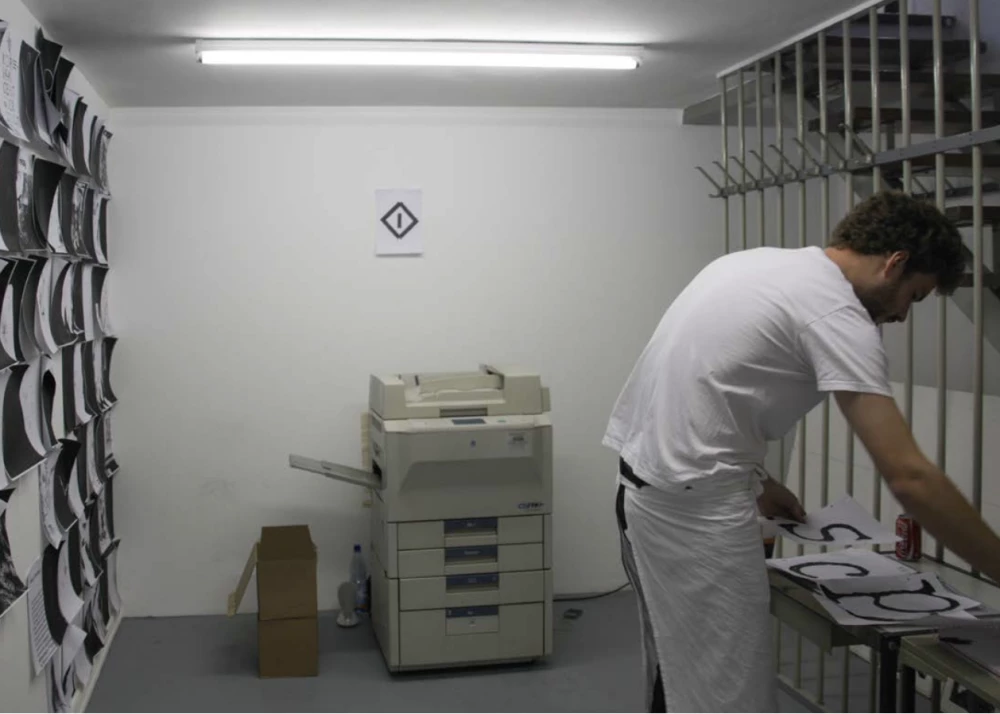
After apps and e-books, back to print: Parallel to the 2011 Frankfurt Book Fair, young designers, artists, and authors showcased printed publications — self-designed and self-published. The accompanying conference programme featured pioneers of the self-publishing scene from across Europe.
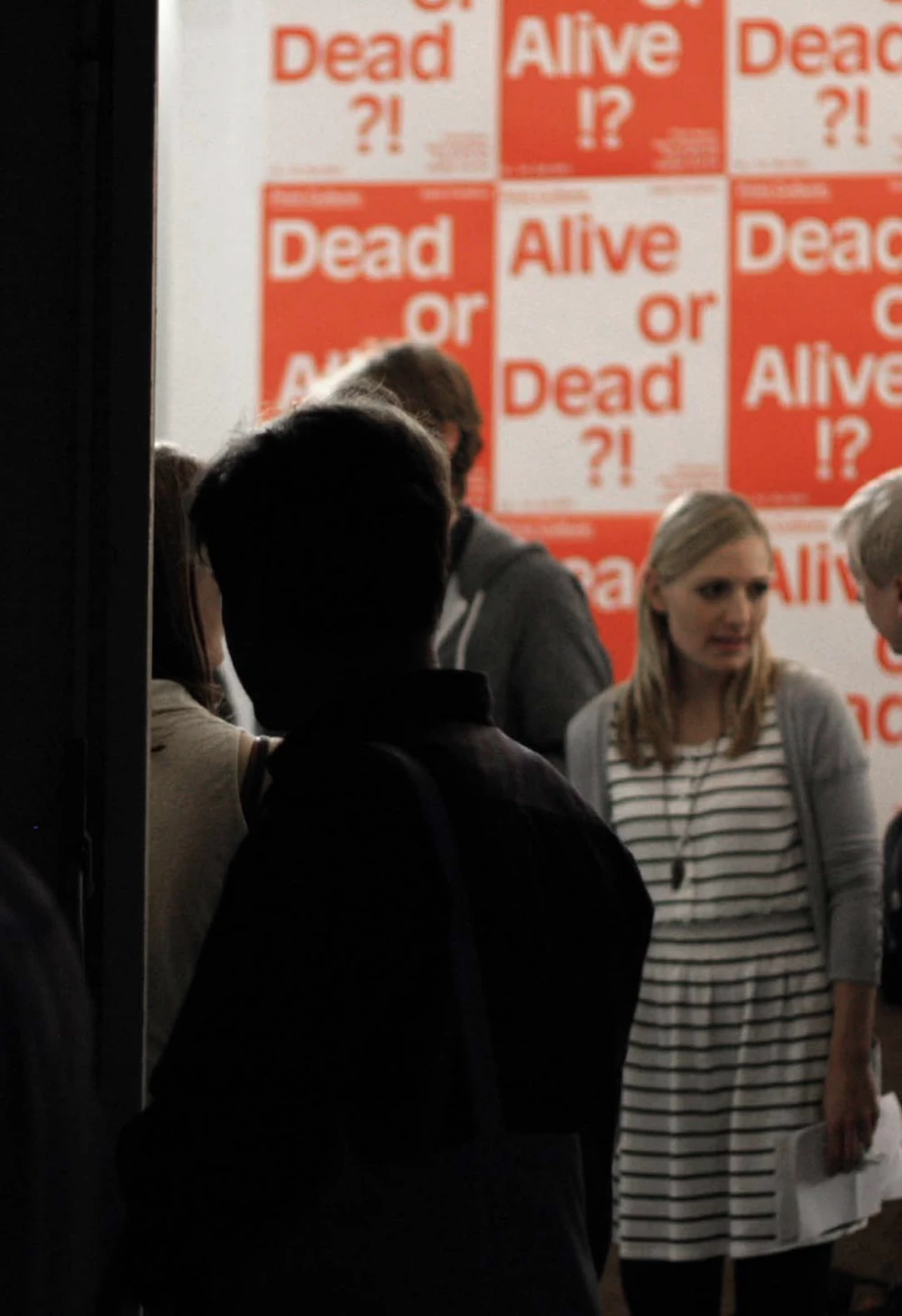
In October 2011, a new event made its debut: First Issue – Self-Publishing Book Fair for Design and Art. The two-day event, held from 14 to 15 October at the Frankfurt venue basis, attracted around 800 visitors from across Germany and neighbouring countries. The fair demonstrated a growing interest among young creatives in print and paper as powerful media of artistic expression.
Self-publishing in design and art was the central theme of First Issue. As its name suggests, this event marked the beginning of a series, envisioning subsequent Second and Third Issues and beyond. The event aimed to highlight that print is far from obsolete. “Print is not dead at all, but is rather reinventing itself anew,” said Sandra Doeller, graphic designer, member of Design-Verein Frankfurt, and a key organiser of the event. First Issue showcased a movement where creatives take the production and distribution of their work into their own hands, bypassing traditional publishing channels.
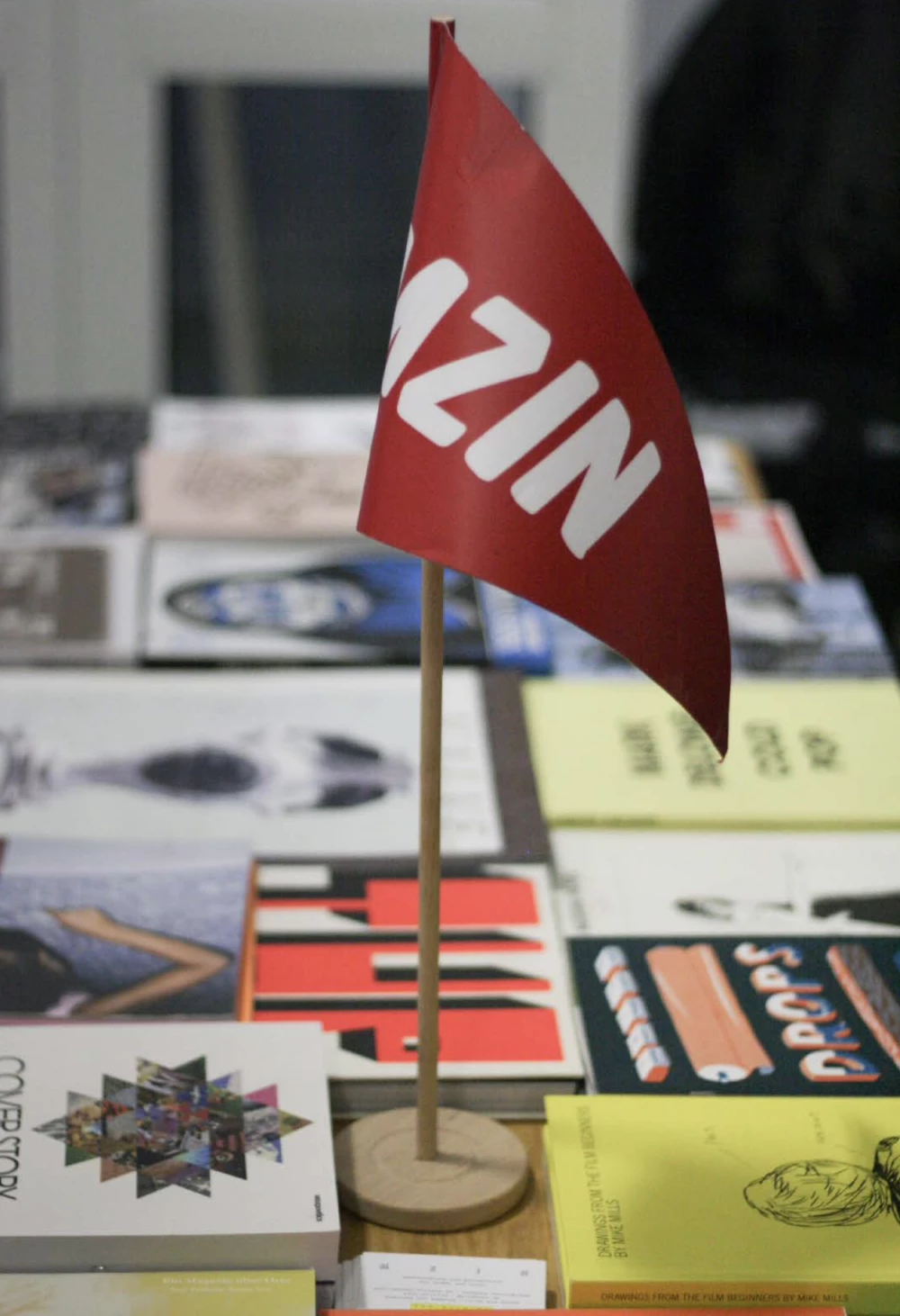
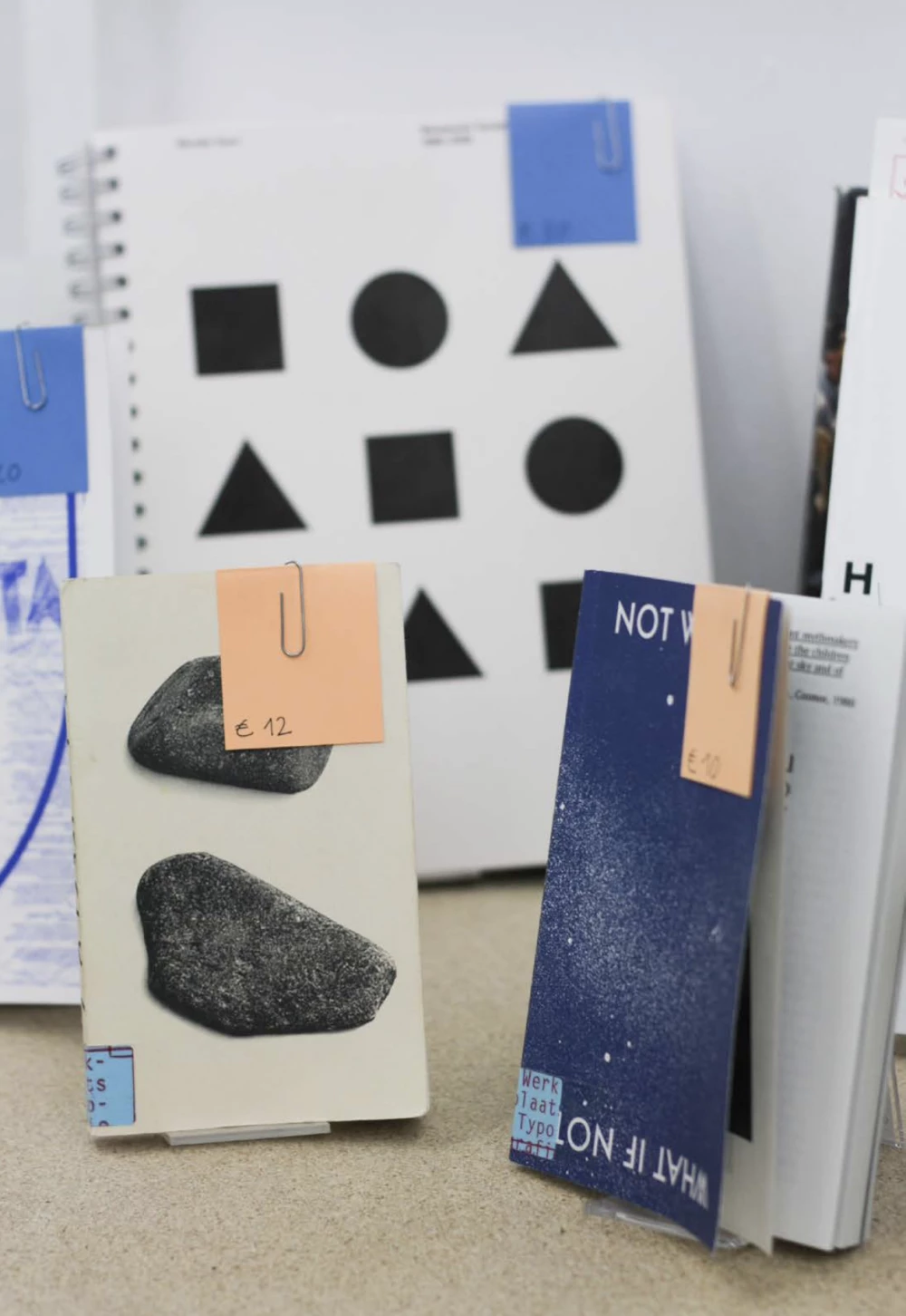
The fair hosted 20 young publishers from Germany and abroad who presented their books, magazines, fanzines, and catalogues. These independent publications were not primarily created for profit but as a form of artistic selfexpression. The new publishers often market their works through personal websites, blogs, and social media, building direct connections with their audiences.
A highlight of First Issue was the accompanying conference, titled “Print Culture – Dead or Alive!?” The 160 available tickets, offered online, sold out within hours, reflecting the high level of interest. The speakers included not only the deputy head of the Frankfurt Museum of Modern Art, Peter Gorschlüter, but prominent figures from the publishing and design scenes, such as Jan Wenzel from Spector Books and Kai von Rabenau, publisher of mono.kultur. International voices also played a significant role, with Swiss designer and publisher Urs Lehni (Rollo Press) and the renowned London-based design collective Åbäke, who not only publish but also run a fashion and music label.
The conference featured diverse perspectives on print culture. Blogger Charlotte Cheetham from Manystuff provided insights into the evolving landscape of independent publishing. Designers Marco Balesteros and Sofia Gonçalves from Lisbon gave a talk on Samizdat, the underground, illegal publications from the Soviet era. Swiss designer Roland Früh, together with students from the renowned Werkplaats Typografie master’s programme in Arnhem, presented the “Facsimile Library” project.
In addition to talks, First Issue offered various activities such as exhibitions, live events, and music performances, creating a lively and engaging atmosphere. The event proved to be a successful launch, emphasising that print is undergoing a revival and that young creatives are driving its evolution. Far from being dead, print culture is very much alive and continues to evolve as an essential form of artistic and cultural expression.
Organised by:
Design-Verein Frankfurt e.V. (Adrian Nießler, Alexander Lis, Catrin Altenbrandt, Michael Satter, Petra Schmidt, Sandra Doeller)
In cooperation with:
basis e.V.
Exhibitors:
AKV Berlin (GER), Album (GER), Bom Dia Boa Tarde Boa Noite (GER), Catalogue (UK), Dent-De-Leone (UK), Edition Fink (CH), Edition Taube (GER), Fillip (CA), fourfiveX (GER), Für Dich Verlag (BE), Gloria Glitzer (GER), Grilli (CH), Hands on Papers (GER), Horizonte (GER), JSBJ (FR), Jung und Wenig (GER), Kritika (LT), Lubok Verlag (GER), Manystuff (FR), Mathias Ringgenberg (NL), mono.kultur (GER), Nero Publishing (IT), Nieves (CH), Occasional Papers (UK), oodee (UK), Prima Publications (GER), Random Press (GER/PT), Rollo Press (CH), Ruine Magazin (GER), Shake Your Tree (GER), Slanted (GER), Spector Books (GER), Stefan Marx (DE), tri-publications (CH), Werkplaats Typografie (NL)
Speakers:
Åbäke (Dent-De-Leone, UK)
Charlotte Cheetham (Manystuff, FR)
Jan Wenzel (Spector Books, GER)
Kai von Rabenau (mono.kultur, GER)
Marco Balesteros & Sofia Gonçalves (Samizdat, PT)
Peter Gorschlüter (MMK Museum für Moderne Kunst Frankfurt am Main, GER)
Urs Lehni (Rollo Press, CH)
Werkplaats Typografie (Facsimile Library, NL)
Specials:
Copy Shop
FourfiveX – Edition 001
Plakatwerkstatt
Kindly supported by:
afri cola, antalis, Club Michel e.V., engelhardt & bauer Druck und Verlag, Hochschule für Gestaltung Offenbach am Main, Holiday Inn Express, Klingspor-Museum, Kulturamt Stadt Frankfurt am Main, Kai Linke, MMK–Museum für Moderne Kunst Frankfurt am Main, Riso Deutschland, Seven Swans, Tau von den Wiesen, Tim Heiler
Lorem ipsum dolor sit amet, consectetuer adipiscing elit. Aenean commodo ligula eget dolor. Aenean massa. Cum sociis natoque penatibus et magnis dis parturient montes, nascetur ridiculus mus.
Lorem ipsum dolor sit amet, consectetuer adipiscing elit. Aenean commodo ligula eget dolor. Aenean massa. Cum sociis natoque penatibus et magnis dis parturient montes, nascetur ridiculus mus.
Not a Muse
2017
Immediately following her design studies in Darmstadt and Bern, Sandra Doeller decided to become selfemployed. In 2013 she founded the Bureau Sandra Doeller in Frankfurt/Main, which pursues a strongly conceptual approach and stands for a clear design language. The focus is on typography and book design. Sandra Doeller is co-founder of the Design-Verein Frankfurt and teaches typography and editorial design at the Hochschule Darmstadt. In this interview she explained her motivations for self-employment and her very personal definition of success.
What has shaped you most in your career so far?
I was interested in Swiss design from an early age. That’s why I studied not only in Darmstadt but also in Bern, followed by an internship at Prill Vieceli, a studio that mainly focuses on book design and typography. That was a great and formative time. I also enjoyed life in Zurich, which I felt at that time—at least in the design scene— was open and down-to-earth.
Before I went to Switzerland, I worked as a freelancer at smaller agencies while studying at university. I had the good fortune to be involved in all aspects of the work. This gave me valuable insight into essential workflows beyond design, such as project planning and strategy— tasks I actually enjoy. Through a chain of happy circumstances, I finally moved to Frankfurt.
In my early days there, Ata Macias, who is closely connected to Frankfurt’s club and cultural scene, played an important role. With and for him, I realized many projects, especially for the club Robert Johnson, the bar Plank, and the off-space restaurant Club Michel. Ata works in an intuitive and associative manner, creating places and products that, at first glance, appear detached from fashionable trends and conventional commercial approaches—or even reject them. In many cases, this is what makes the results so interesting and, in a long run, influential and successful. Freeing oneself from external expectations and developing independent solutions close to the core of the project is something that continues to characterize my work to this day.
You became self-employed right after graduation in 2009. How was the transition from student life to selfemployment? What challenges did you face?
The idea of being self-employed came to me early on and remains my ideal to this day. Independence requires significant commitment and involves risks, but it also offers great freedom. Whether it suits someone is certainly a matter of character and has more to do with entrepreneurial spirit than creative skills. I founded my first company while still in school and spent my free time brainstorming business ideas. During my studies, it was already clear to me that I wanted to remain selfemployed afterwards. In my graduating class, that was unusual — most people were looking for secure, permanent positions.
Starting right after university requires a lot of effort. Experience and financial success are closely linked, and without major reference projects, you have to start at the bottom. It takes perseverance, especially if you want to make as few compromises as possible in your work.
Do you have a daily routine?
I’m usually in the studio early, about an hour before the others arrive. During that time, I answer emails and handle tasks that require peace and quiet. The rest of the day is a mix of emails, calls, coordination, subproject completions, and the actual work on the projects. I usually develop concepts and drafts late in the evening or on weekends, when I have uninterrupted time for several hours.
What does your design process look like?
Before starting the design itself, I thoroughly engage with the topic and its various aspects. This is followed by a longer phase where it might seem like I’m not actively working on the project, but I’m mentally “brooding” over it. I often ask myself how I can best translate the core of the matter using the tools at my disposal. There usually comes a point where I start to feel a bit anxious, but that’s part of the process. Good ideas rarely come without a crisis. Most of my ideas come just as I’m falling asleep. The design phase is the second step and logically follows from the first. The basic design decisions can be made quickly based on the conceptual groundwork. The majority of the process involves refining details. I compare and optimize numerous variations until the result feels right to me.
Is it important to you that your projects have a recognizable “signature” style?
No, at least not necessarily on a purely visual level. However, I do have certain design principles, such as reduction. Once the concept and draft are in place, I begin focusing on what can be left out. With experience, you can quickly create something complex that looks “good” at first glance. The more reduced the design, the more deliberate the choices must be, and the more challenging it becomes. Every inconsistency stands out, and even a few millimeters can make a big difference. I suppose this principle is recognizable in my work. It becomes especially apparent in client feedback: I’m most often approached because of reference projects with strong, distinctive concepts and consistent execution, such as the “Bookster” book.
Are there any styles or movements that particularly inspire you?
I would say that I’ve explored certain styles and movements more deeply than others, such as minimalism, Memphis, brutalism, Swiss typography, and remix culture.
Success in the classical sense often includes a high financial income. How important is the financial aspect of your work to you?
Success is often measured by other criteria, such as the type of clients one works with. Museums, foundations, festivals, and theaters are often valued more highly than commercial clients because they allow greater creative freedom to demonstrate one’s skills. In those cases, financial aspects tend to take a back seat. I think that’s dangerous, as it presents a misleading picture of the conditions under which design is created and can ultimately lead to a dead end. The financial aspect always plays a role. Maybe not at the beginning, but after a few years, you inevitably ask yourself where you want to go. Personally, I want to avoid financial worries. That’s why I’ve structured my studio to work with clients from various fields, including both cultural institutions and medium-sized companies.
You co-founded the Design-Verein Frankfurt in 2011.
How important is public attention to you?
I believe that dialogue and exchange are essential, especially in design. With the “Self-Publishing Fair for Design and Art,” we aimed to create a platform for likeminded people. At that time, there were far fewer events and platforms of this kind than there are today.
Unlike art, design is often reduced to being a “service.” Yet there’s a broad gray area beyond pure service that I find very interesting. Since design is taught at many art schools, the focus tends to be more on exploring questions in this field. That’s one of the reasons why I teach. Ideally, I can contribute to this discourse outside of teaching as well.
From 2009 to 2013, you worked with Michael Satter. Do men and women work differently, or is it more about personality?
In my view, differences in working styles are primarily a matter of personality, with gender playing a secondary role. That said, I’ve notices that men tend to be more assertive and, in many cases, overestimate their abilities rather than underestimate them. In some situations, a bit more modesty would have been beneficial. On the other hand, I’ve often observed adaptability and perseverance in women. In those cases, I sometimes wished for greater confidence in their own abilities. Of course, everything depends on the specific situation — being able to assess that is the most important factor. And none of this has anything to do with one’s ability to create good design.
Does family planning influence your self-employment?
Not yet, but that could change, and when it does, it will certainly impact my self-employment. Unlike in a permanent position, it’s much harder to take time off. However, I can set my own working hours. Ultimately, it’s about what kind of work-life balance one is able or willing to “afford.”
Do you have an “ultimate project” you’d like to realize?
No. The most interesting projects often come unexpectedly.
1 Hallo Hallo
Lorem ipsum dolor sit amet, consectetuer adipiscing elit. Aenean commodo ligula eget dolor. Aenean massa. Cum sociis natoque penatibus et magnis dis parturient montes, nascetur ridiculus mus. Donec quam felis, ultricies nec, pellentesque eu, pretium quis, sem. Nulla consequat massa quis enim. Donec pede justo, fringilla vel, aliquet nec, vulputate eget, arcu. In enim justo, rhoncus ut, imperdiet a, venenatis vitae, justo. Nullam dictum felis eu pede mollis pretium. Integer tincidunt. Cras dapibus. Vivamus elementum semper nisi. Aenean vulputate eleifend tellus. Aenean leo ligula, porttitor eu, consequat vitae, eleifend ac, enim. Aliquam lorem ante, dapibus in, viverra quis, feugiat a, tellus. Phasellus viverra nulla ut metus varius laoreet. Quisque rutrum. Aenean imperdiet. Etiam ultricies nisi vel augue. Curabitur ullamcorper ultricies nisi. Nam eget dui. Etiam rhoncus. Maecenas tempus, tellus eget condimentum rhoncus, sem quam semper libero, sit amet adipiscing sem neque sed ipsum. Nam quam nunc, blandit vel, luctus pulvinar, hendrerit id, lorem. Maecenas nec odio et ante tincidunt tempus. Donec vitae sapien ut libero venenatis faucibus. Nullam quis ante. Etiam sit amet orci eget eros faucibus tincidunt. Duis leo. Sed fringilla mauris sit amet nibh. Donec sodales sagittis magna. Sed consequat, leo eget bibendum sodales, augue velit cursus nunc,
1 Hallo Hallo
Lorem ipsum dolor sit amet, consectetuer adipiscing elit. Aenean commodo ligula eget dolor. Aenean massa. Cum sociis natoque penatibus et magnis dis parturient montes, nascetur ridiculus mus. Donec quam felis, ultricies nec, pellentesque eu, pretium quis, sem. Nulla consequat massa quis enim. Donec pede justo, fringilla vel, aliquet nec, vulputate eget, arcu. In enim justo, rhoncus ut, imperdiet a, venenatis vitae, justo. Nullam dictum felis eu pede mollis pretium. Integer tincidunt. Cras dapibus. Vivamus elementum semper nisi. Aenean vulputate eleifend tellus. Aenean leo ligula, porttitor eu, consequat vitae, eleifend ac, enim. Aliquam lorem ante, dapibus in, viverra quis, feugiat a, tellus. Phasellus viverra nulla ut metus varius laoreet. Quisque rutrum. Aenean imperdiet. Etiam ultricies nisi vel augue. Curabitur ullamcorper ultricies nisi. Nam eget dui. Etiam rhoncus. Maecenas tempus, tellus eget condimentum rhoncus, sem quam semper libero, sit amet adipiscing sem neque sed ipsum. Nam quam nunc, blandit vel, luctus pulvinar, hendrerit id, lorem. Maecenas nec odio et ante tincidunt tempus. Donec vitae sapien ut libero venenatis faucibus. Nullam quis ante. Etiam sit amet orci eget eros faucibus tincidunt. Duis leo. Sed fringilla mauris sit amet nibh. Donec sodales sagittis magna. Sed consequat, leo eget bibendum sodales, augue velit cursus nunc,
1 Hallo Hallo
Lorem ipsum dolor sit amet, consectetuer adipiscing elit. Aenean commodo ligula eget dolor. Aenean massa. Cum sociis natoque penatibus et magnis dis parturient montes, nascetur ridiculus mus. Donec quam felis, ultricies nec, pellentesque eu, pretium quis, sem. Nulla consequat massa quis enim. Donec pede justo, fringilla vel, aliquet nec, vulputate eget, arcu. In enim justo, rhoncus ut, imperdiet a, venenatis vitae, justo. Nullam dictum felis eu pede mollis pretium. Integer tincidunt. Cras dapibus. Vivamus elementum semper nisi. Aenean vulputate eleifend tellus. Aenean leo ligula, porttitor eu, consequat vitae, eleifend ac, enim. Aliquam lorem ante, dapibus in, viverra quis, feugiat a, tellus. Phasellus viverra nulla ut metus varius laoreet. Quisque rutrum. Aenean imperdiet. Etiam ultricies nisi vel augue. Curabitur ullamcorper ultricies nisi. Nam eget dui. Etiam rhoncus. Maecenas tempus, tellus eget condimentum rhoncus, sem quam semper libero, sit amet adipiscing sem neque sed ipsum. Nam quam nunc, blandit vel, luctus pulvinar, hendrerit id, lorem. Maecenas nec odio et ante tincidunt tempus. Donec vitae sapien ut libero venenatis faucibus. Nullam quis ante. Etiam sit amet orci eget eros faucibus tincidunt. Duis leo. Sed fringilla mauris sit amet nibh. Donec sodales sagittis magna. Sed consequat, leo eget bibendum sodales, augue velit cursus nunc,